
About

About Us

Connecting you with best of Patiala

History of Patiala


Origin of city

Patiala was founded in 1763 by Baba Ala Singh, a Jat Sikh chieftain who laid the foundation of  Qila Mubarak fort. Originating from a 30-village zamindari in 1714, the state grew into a powerful principality and later the capital of PEPSU (Patiala and East Punjab States Union). The name translates to “land of Ala” (Pati-Ala), representing a blend of Sikh, Rajput, and Mughal cultures. During the 18th and 19th centuries, Patiala flourished under successive rulers who contributed to its development through the construction of forts, palaces, and administrative institutions. The city later emerged as one of the leading princely states during the British era, known for its rich heritage, royal traditions, and architectural grandeur.

Integration into Modern India

After the third Battle of Panipat in 1761 in which the Marathas were defeated, the writ of the Afghans prevailed throughout Punjab. It is at this stage that the rulers of Patiala began to acquire ensigns of royalty. Ahmad Shah Abdali bestowed upon Ala Singh drum and banner after latter’s death, his grandson Amar Singh, succeeded and received the title of Raja-i-Rajgan. He was also allowed to strike coins, After forty years of ceaseless struggle with the Mughals, Afghans and Marathas, the borders of the Patiala state witnessed the trailing blaze of Ranjit Singh in the north and that of the British in the east. Bestowed with the gift and instinct of survival, and of making right choice at the right time, the Raja of Patiala entered into a treaty with the British against Ranjit Singh in 1808, thus becoming collaborator in the grand empire building process by the British in, the sub-continent of India. The rulers of Patiala such as Karam Singh, Narinder Singh, Mahendra Singh, Rajinder Singh, Bhupinder Singh and Yadvindra Singh were treated with respect and dignity by the British.

download (4)
bhupinder singh patiala maharaja

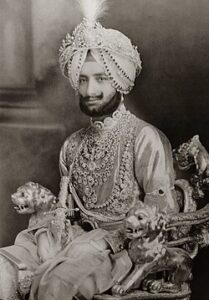
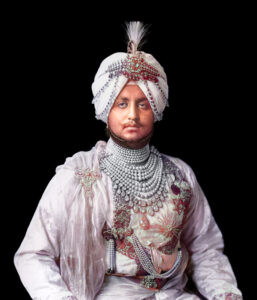
It was Maharaja Bhupinder Singh (1900-1930) who gave the Patiala state a prominent place on the political map of India and, in the field of international sports. Most of the buildings with splendid architectural designs were constructed during his reign. His son Yadvindra Singh was among those Indian princes who, readily came forward to sign the Instrument of Accession, thus facilitating the process of national integration. In recognition of his services, he was appointed the Rajpramukh of the newly established state of PEPSU. Eulogizing his role of the Maharaja in fighting against the intrigues and manoeuvres of the unfriendly and hostile princes of India, Sardar Vallabh Bhai Patel the then Deputy Prime Minister and in charge of Home Affairs Ministry remarked :”1 must mention the notable contribution which His Highness, the Maharaja of Patiala, has made to the unity and integrity of India. He took the cause of the country at a time when there were few friends amongst the princely order and when serious attempts were being made to balkanize India. It was his patriotic lead that contributed in a large measure, to a change in the attitude of the princes to the problem of accession to the Indian Dominion.”

Our Mission


Our mission is to provide accurate, accessible, and up-to-date information about the city of Patiala, helping residents, visitors, and businesses stay informed and connected. We aim to showcase the city’s rich heritage, cultural diversity, and development while ensuring a user-friendly digital experience. Through this platform, we strive to promote transparency, awareness, and engagement within the community.

Our Vision


Our vision is to become a trusted and comprehensive digital hub for Patiala, offering valuable insights into its history, infrastructure, and opportunities. We aspire to highlight the city’s growth while preserving its cultural identity, making it easier for people to explore, understand, and connect with Patiala. We envision a platform that supports informed decision-making and contributes to the city’s sustainable development.

District Profile Overview


images (17)

Geography

Location: Southeastern part of Punjab, India Region: Malwa region Area: ~3,200 sq. km (district) Rivers: Ghaggar River (seasonal) Climate: Semi-arid with hot summers and cool winters

download (2)

Population

Total population: ~1.9 million (district) Urban: ~45% | Rural: ~55% Density: ~600 persons/sq. km Literacy rate: ~76%

images (1)

Languages

Official language: Punjabi Widely spoken: Hindi, English Rich cultural identity rooted in Punjabi traditions

depositphotos 198578336 stock illustration illustration art education logo isolated

Education

Major institutions: Punjabi University Colleges: Engineering, Medical, Arts & Commerce Known for: Higher education and research in Punjab

stack coins with plant dollar sign top symbolizing financial growth prosperity modern elegant website design leading tech company 585735 35094

Economy

Key sectors: Agriculture, Trade, Small-scale industries Major crops: Wheat, Rice, Cotton Industries: Textiles, Food processing, Handicrafts Known for: Patiala salwar, traditional juttis Role: Important commercial hub in Punjab

basic rgb 154382318

Healthcare

Major hospitals: Government Rajindra Hospital Facilities: Private multi-specialty hospitals Role: Key healthcare center in the region

blue white logo with three men circle with picture man circle with picture man circle with rainbow center 1205884 4061

Administration

Administrative status: District headquarters of Patiala Governing body: District Administration & Municipal Corporation Administrative divisions: Sub-divisions, tehsils, and blocks Law enforcement: Punjab Police (Patiala Range)
indian culture concept traditional landmarks heritage symbols circular design showcasing food items like taj mahal spices 376032059

Culture & Heritage

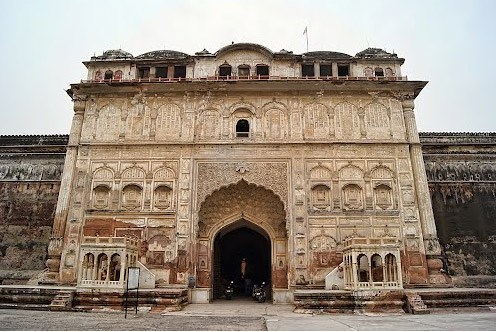
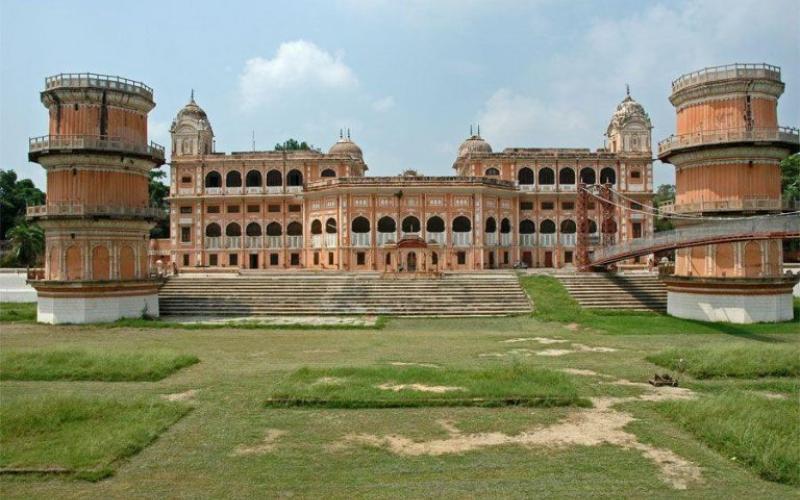
Famous for: Royal heritage and Sikh traditions Landmarks: Qila Mubarak, Sheesh Mahal, Moti Bagh Palace Traditions: Classical music, folk dance (Bhangra, Giddha) Festivals: Baisakhi, Diwali, Gurpurab
Must-Visit Places in Patiala


P143550

Qila Mubarak Complex

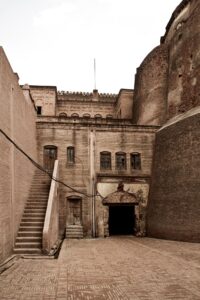
Qila Mubarak Complex is one of the most important historical landmarks in Patiala and a symbol of the city’s royal heritage. Built in the 18th century by Maharaja Ala Singh, the founder of the Patiala dynasty, this grand fort complex reflects the power and lifestyle of the Sikh rulers.

Sheesh Mahal Patiala2

Sheesh Mahal

Sheesh Mahal, meaning “Palace of Mirrors,” is one of the most beautiful and artistic landmarks in Patiala. It was built in the 19th century by Maharaja Narinder Singh as part of the royal Moti Bagh Palace complex and served as a retreat for the royal family.

P143548

Moti bagh Palace

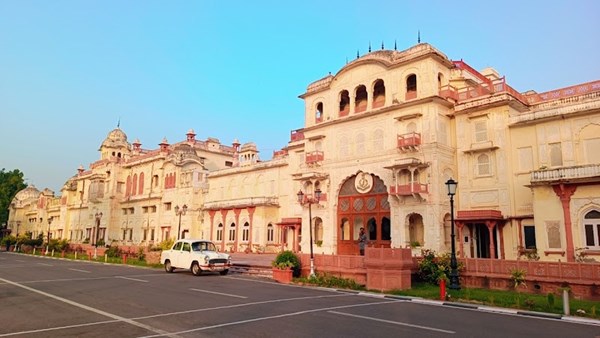
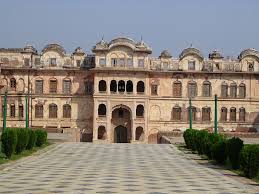
Moti Bagh Palace is one of the grandest royal residences in Patiala, reflecting the opulence and lifestyle of the erstwhile rulers of Punjab. It was originally built in the 1840s by Maharaja Narinder Singh and later expanded by his successors.

Barandari Garden 1520579 1024x768 1

Baradari Gardens

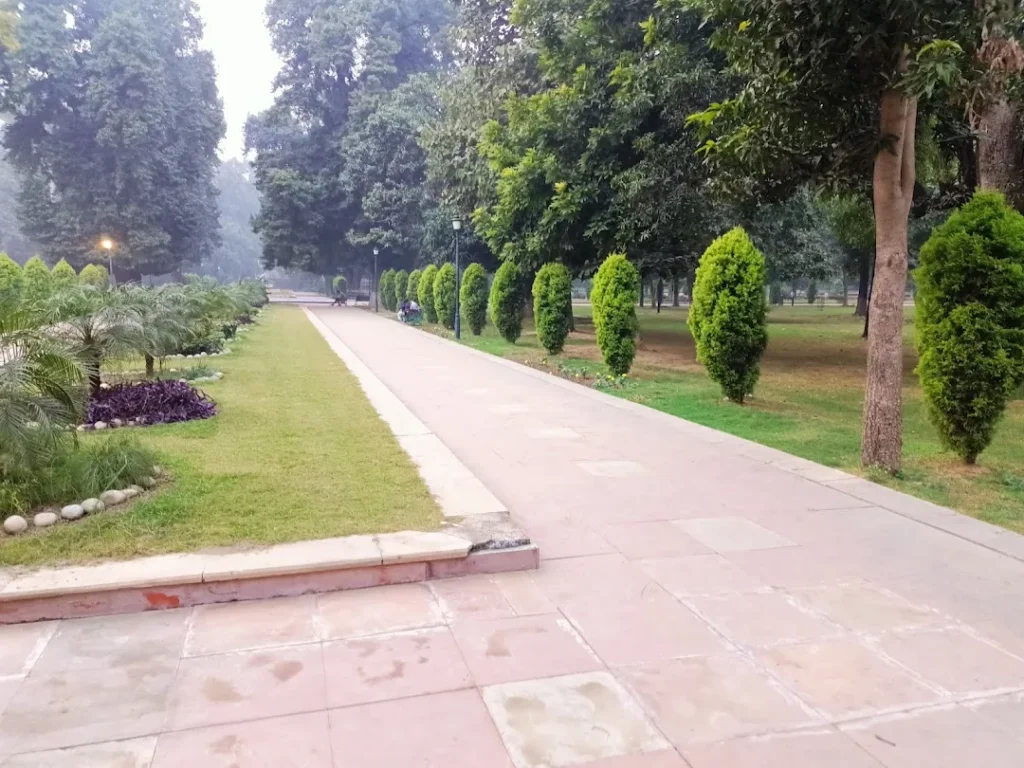
Baradari Gardens is one of the most beautiful and refreshing green spaces in Patiala, offering a perfect escape from the busy city life. It was developed during the reign of the Patiala royal family and reflects a blend of nature and royal elegance.

Ways to Reach Patiala


By Road

Connected via national and state highways.Regular bus services (government and private) are available from Chandigarh, Delhi, Ludhiana, and other cities.You can also drive or hire a cab for a comfortable journey

By Train

Well-connected to cities like Delhi, Chandigarh, and Amritsar. Local transport like auto-rickshaws and taxis are easily available outside the station

By Air

The nearest airport is Chandigarh International Airport, located about 60–65 km from Patiala. Regular flights connect Chandigarh with cities like Delhi, Mumbai, and Bangalore. From the airport, you can hire a taxi or cab to reach Patiala

Cultural Heritage of Patiala


may 6, 2026, 06 44 27 am

Music & Dance

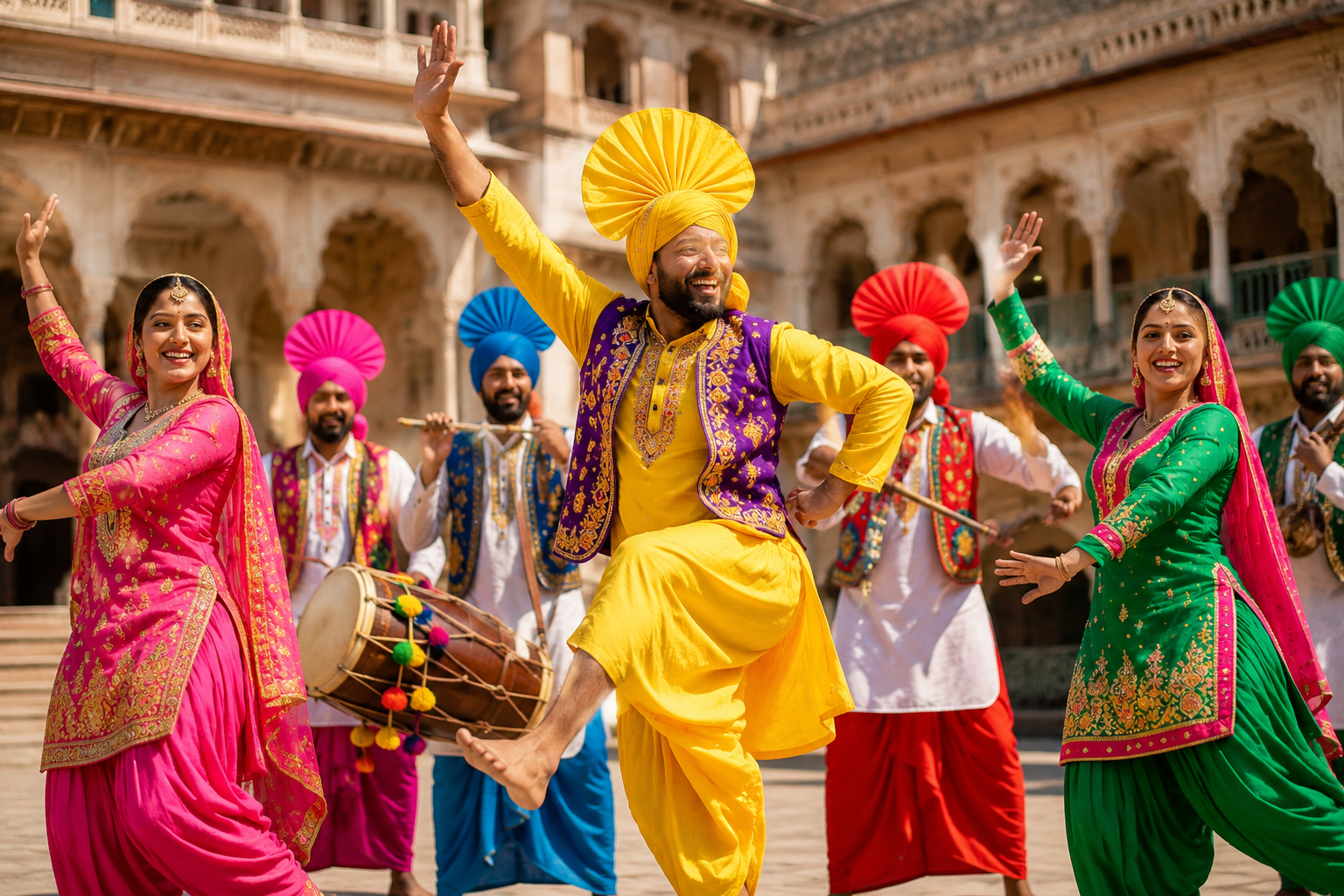
Patiala is renowned for its classical music tradition, especially the Patiala Gharana, known for its rich vocal style. Energetic folk dances like Bhangra and Giddha reflect the vibrant spirit and cultural pride of Punjab.

chatgpt image may 6, 2026, 08 36 55 am

Traditional Attire

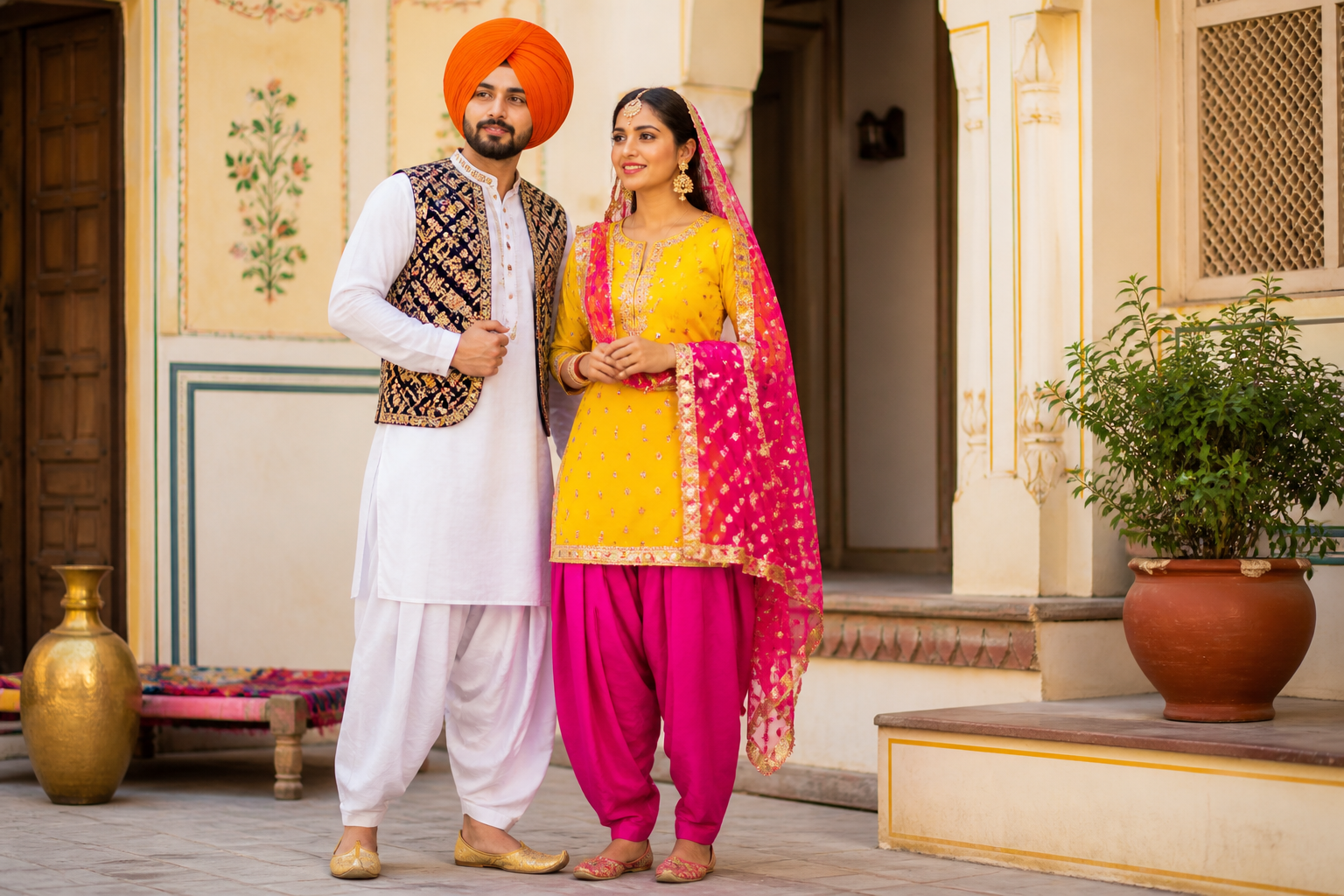
Patiala is famous for its vibrant and elegant traditional clothing, especially the iconic Patiala salwar paired with colorful dupattas. Men commonly wear kurta-pajama with turbans, reflecting pride, identity, and the rich cultural heritage of Punjab.

chatgpt image may 6, 2026, 08 41 00 am

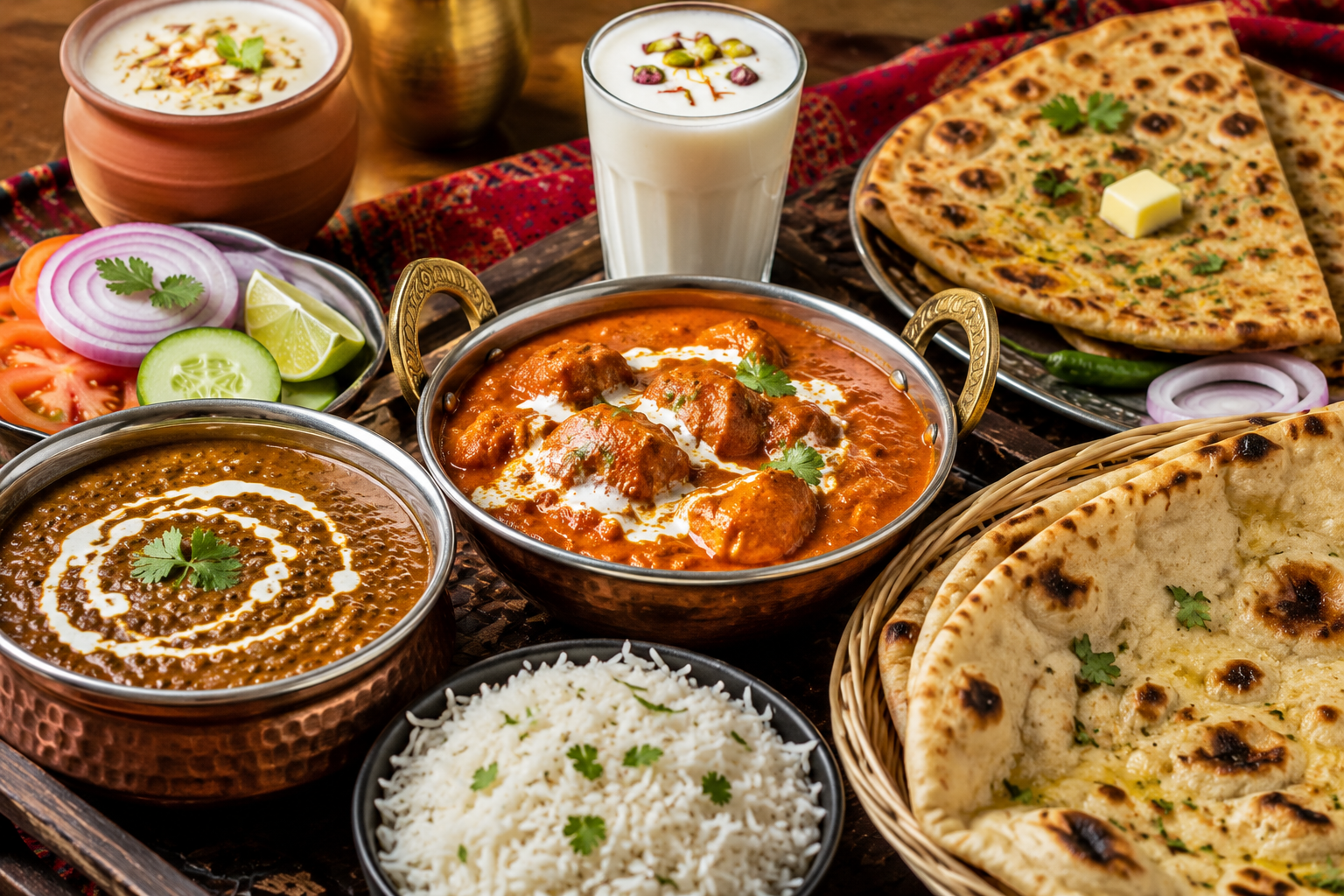
Food & Cuisine

The cuisine of Patiala is rich, flavorful, and deeply rooted in Punjabi traditions. From creamy butter chicken and stuffed parathas to the famous thick Patiala lassi, every dish reflects the city’s royal heritage and warm hospitality.

chatgpt image may 6, 2026, 09 02 18 am

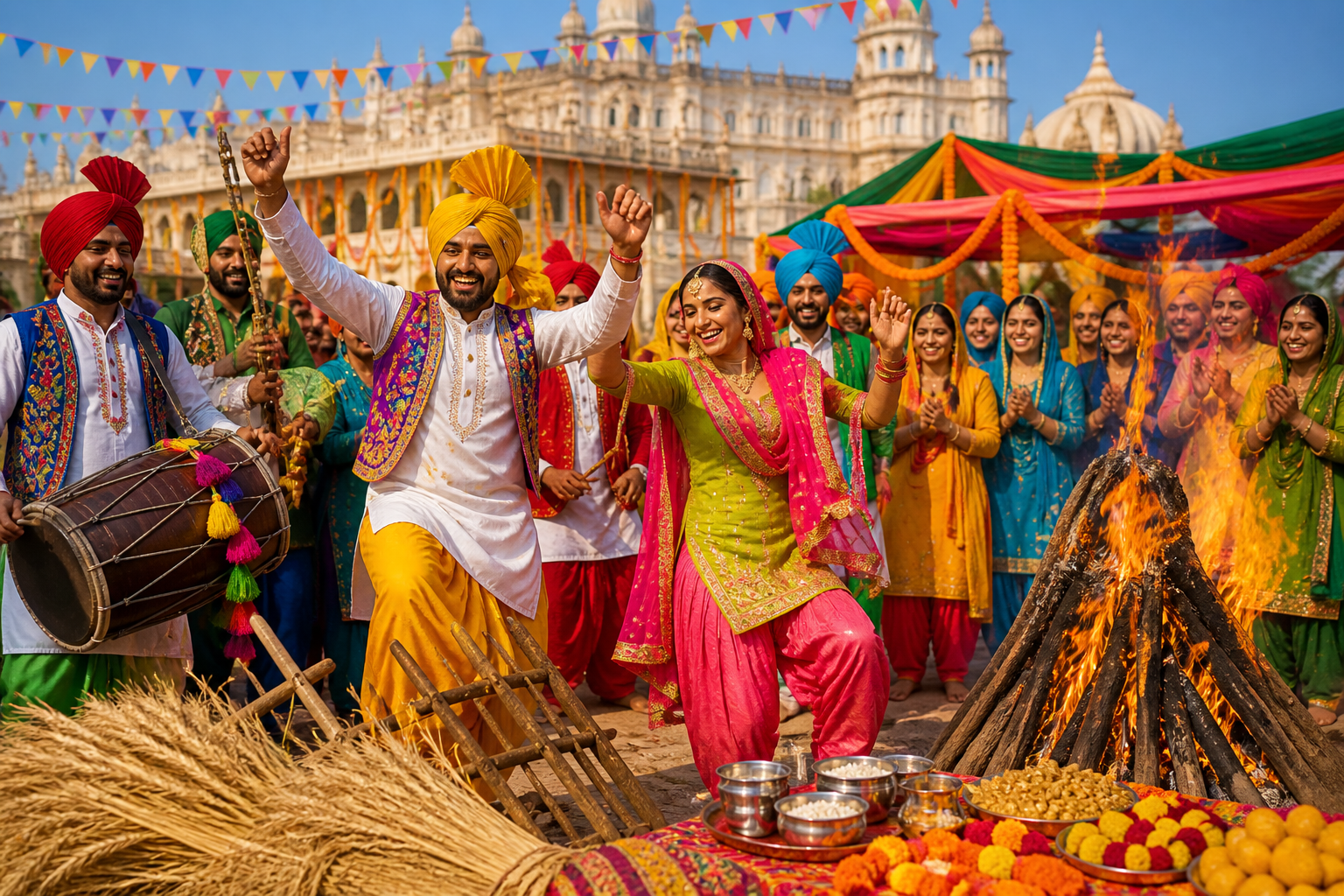
Festivals

Festivals in Patiala are celebrated with great enthusiasm and cultural vibrancy. Events like Baisakhi, Lohri, and Diwali bring people together with music, dance, traditional rituals, and festive foods, reflecting the joyful spirit of Punjabi culture.

chatgpt image may 6, 2026, 09 08 09 am

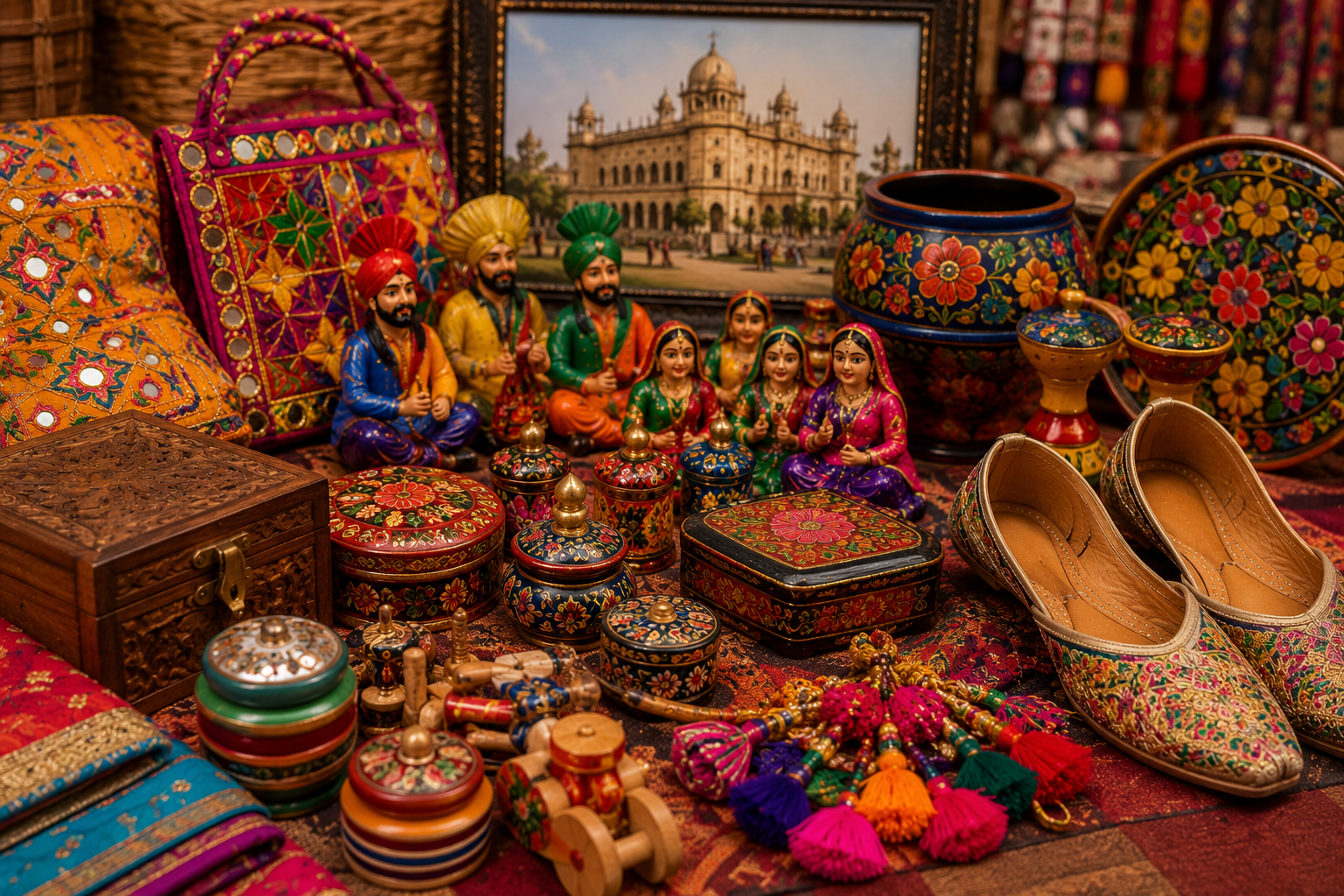
Handicrafts

Patiala is known for its beautiful handicrafts that reflect the region’s artistic heritage. From vibrant Phulkari embroidery and traditional Punjabi juttis to decorative items and textiles, these crafts showcase skilled craftsmanship and rich cultural traditions.

chatgpt image may 6, 2026, 09 12 21 am

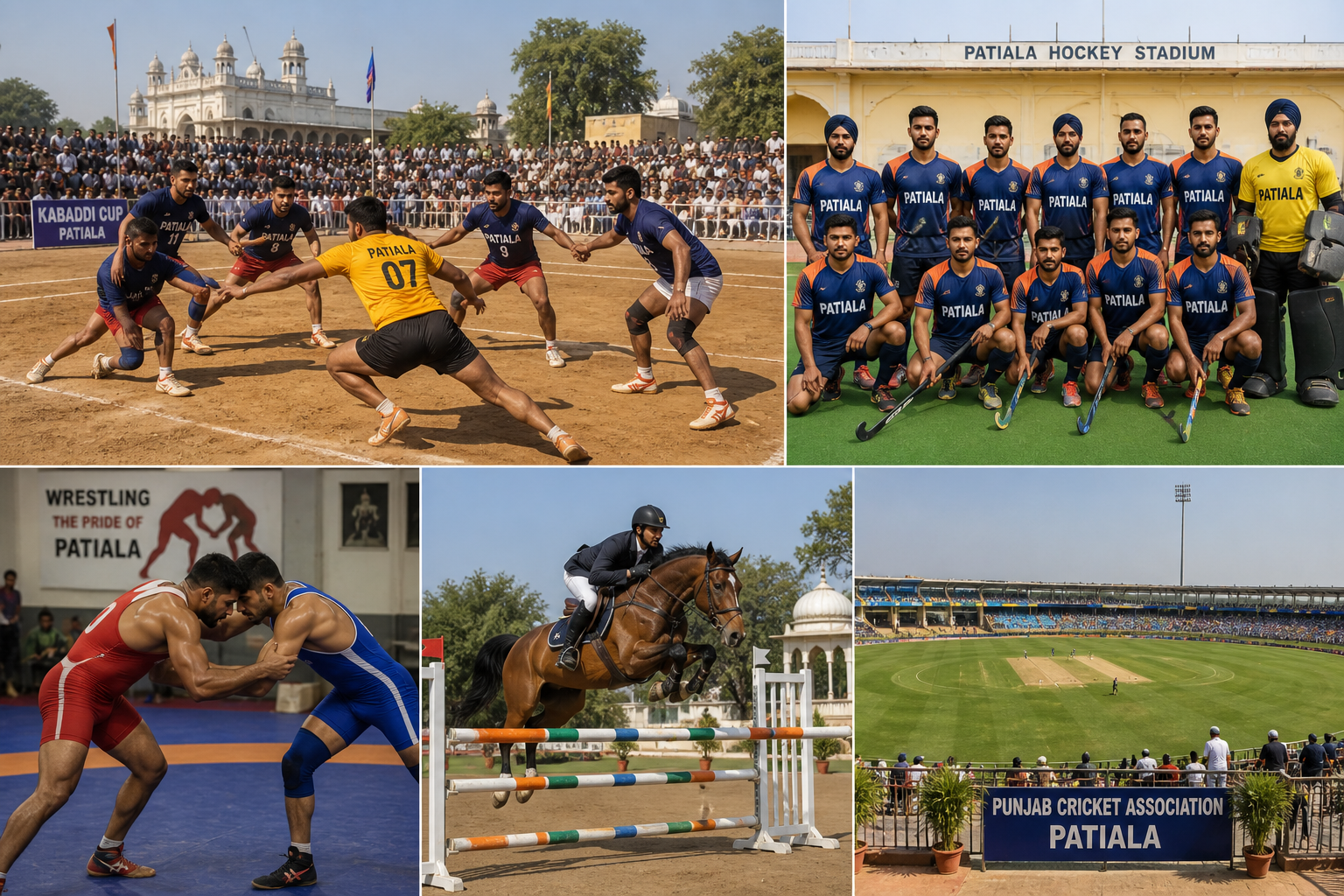
Sports Culture

Patiala has a strong sports culture and is known as a major center for athletic training in India. With renowned institutions like the Netaji Subhas National Institute of Sports, the city has produced many talented athletes and promotes sports like hockey, cricket, wrestling, and athletics.

What Visitors Say About Patiala